Critical Care
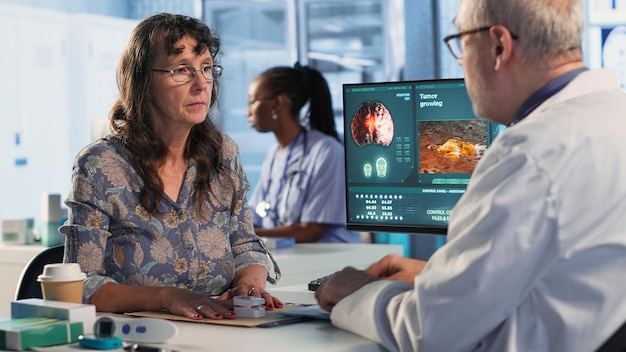
Highly trained medical professionals utilize advanced technological infrastructure to manage acute organ system failures and stabilize unstable vital parameters swiftly.
Comprehensive management within the intensive care unit involves a multidisciplinary approach to ensure seamless patient stabilization. Every clinical decision is grounded in rigorous scientific evidence, prioritizing patient safety, rapid response times, and optimal recovery trajectories during critical health crises.
Continuous hemodynamic monitoring and advanced life support systems enable medical teams to track subtle changes in a patient's condition instantly. This proactive stance ensures that therapeutic adjustments can be made without delay, mitigating potential risks and supporting vital organ recovery effectively.
Family communication and compassionate support are integral components of critical care delivery. Transparent updates regarding prognosis and treatment steps help alleviate anxiety for loved ones, fostering a collaborative healing environment centered on trust and open dialogue.
Book an Appointment with the Critical Care Department :
Book AppointmentMore Departments

Pulmonary medicine focuses on the comprehensive diagnosis, management, and treatment of various respiratory conditions, ranging from common airway disorders to complex critical illnesses
Sleep medicine addresses complex sleep disorders that significantly impact physical health, cognitive function, and daily productivity.

Dental and oral health services encompass comprehensive preventive, restorative, and surgical treatments designed to maintain optimal oral hygiene.